musebridge

USE CASE 02 / D2C PRODUCT DISCOVERY

Independent Anker illustration · Proposed improvements

A great product.
More ways to
be understood.

Turn product features into answers buyers can use. One verified foundation for search, answers, and AI comparison.

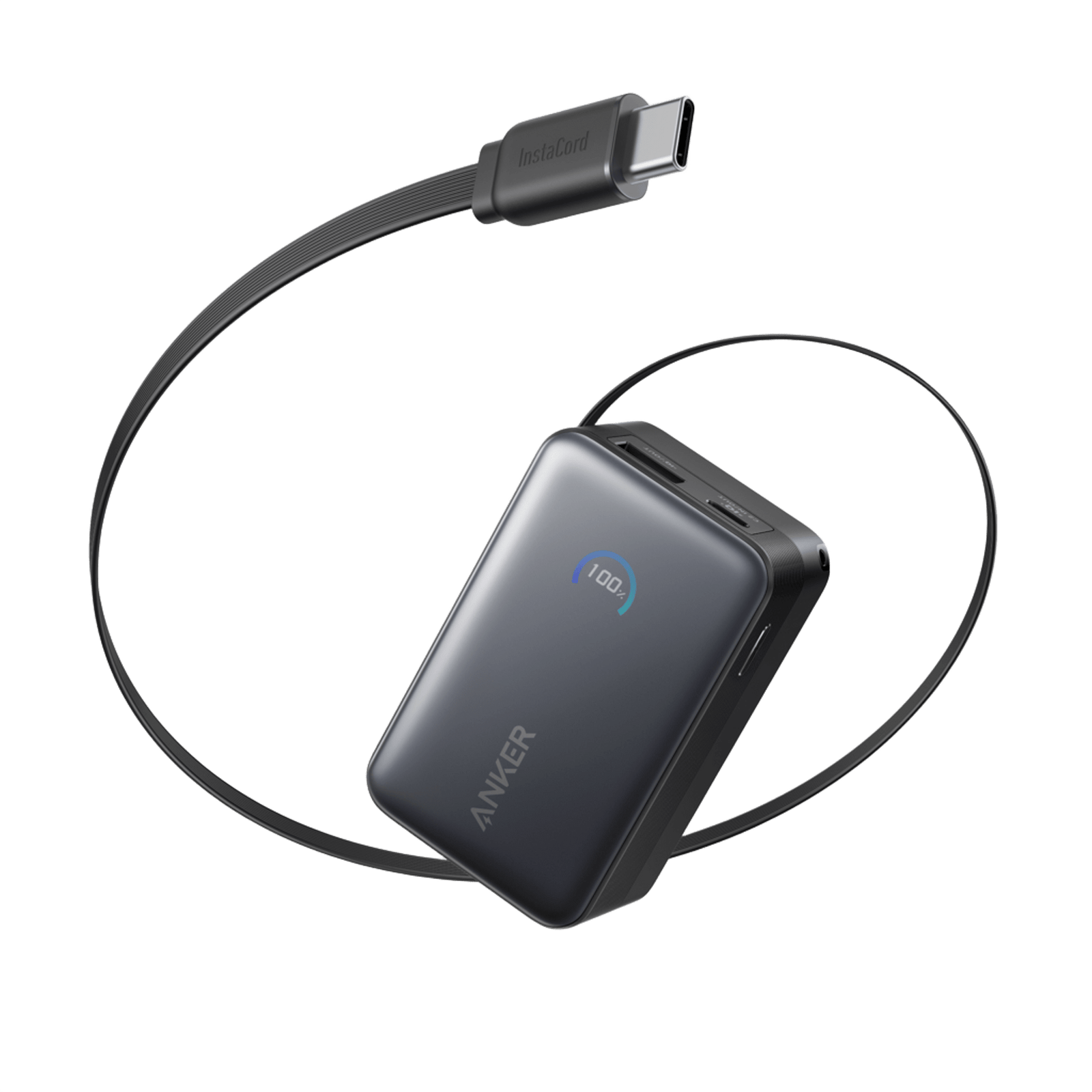
Anker Nano · A1638 · US retail example

THE SAME PRODUCT. A CLEARER STORY.Anker Nano power bank with a built-in retractable USB-C cable
01 / SEARCHName the real advantage.Capacity · cable · charging conditions
02 / ANSWERSMake the limits clear.One device ≠ shared charging
10,000mAhRetractable USB-CSource-linked facts
One product foundation.Find it.→Understand it.→Know the next step.

01 / THE DIFFERENCE YOU CAN SEE

Same product.
Less guesswork.

A headline attracts attention. Clear conditions help a buyer decide.
Both views below are teaching mockups, not an audit of Anker’s page.

?
CHOOSE A BUYER QUESTION
SIMPLIFIED INPUTA claim without its context
The same Anker Nano power bank
ANKER NANO

10K. 45W.
Ready to go.

Built-in cable
ILLUSTRATIVE BUYER ANSWER

“Fast charging” leaves a question.

Does 45W apply to my device? Which connection and charging conditions matter?

Connection?Power limit?Device requirements?
WITH SOURCED, ORGANIZED FACTS✓ Clear conditions
Anker Nano shown with clearer product information
ANKER NANO

Portable power.
With the details.

Same product · clearer information
PROPOSED ANSWER EXAMPLE

One device: up to 45W via USB-C.

Use the USB-C cable or port alone. Actual power depends on the device and charging protocol. Check your device’s requirements.

45WUSB-C alone · maximum
→
CheckYour device requirements
Official specification · A1638 ↗
THE CUSTOMER VALUE

Help a suitable buyer see what to check—without turning a maximum specification into a universal promise.

02 / ONE PRODUCT FOUNDATION · FOUR OPTIMIZATION SCOPES

Let every real advantage
have a place to work.

Clarify the product once. Use the same approved facts across pages, answers, comparisons, and authorized next actions.

PROPOSED SEARCH CONTENTILLUSTRATION

WHAT YOUR TEAM GETS

SEO, AEO, GEO and AAO overlap; they are not a mandatory purchase sequence. AAO (AI Agent Optimization) is MuseBridge’s working term for reaching an agreed next step within buyer constraints and permissions. This is a scripted illustration, with no Muse connection, AI run, cart change or order. Visibility and conversion effects require separate measurement. Google AI search guidance ↗

03 / A SIMPLE WAY TO START

From product page
to a testable plan.

Start with one product and the questions that matter. Agree the pilot scope before work begins.

01
Can it charge both devices?Task + sources

Find the decision gap.

Define the buyer’s need. Review the page and sources. Document what a controlled journey can—and cannot—answer.

Shopping Simulator · Source Map
02
Product fact ✓Condition ✓Source ✓

Make the facts work harder.

Prepare approved titles, decision content, product fields and buying-path changes. Match each claim to evidence.

ClearPage · Product Evidence Hub
03
↻Same task. Comparable retest.

Retest. Then observe.

Compare the same buyer task. Track search performance, external AI answers and real shopping outcomes separately.

Experiment Lab · Monitor · Outcome Analytics
How this fits the six Inside Muse concepts +
01 / Input

Define a buyer task.

02 / Model

Test answer support.

03 / Browser

Clarify public evidence.

04 / Secure VM

Check permitted buying paths.

05 / Sentinel

Respect permissions and scope.

06 / Approval

Keep decisions with people.

MuseBridge works on customer-approved information and separate tests. Meta controls Muse’s model, VM, Sentinel and approvals. Supporting modules are a product framework in development; delivery is agreed per pilot.

Explore the full workflow →

04 / SEE THE WORK. CHECK THE RESULT.

Less “trust us.”
More “show me.”

Content delivery, controlled tests, external visibility and revenue need different evidence.

≡THE WORK YOU CAN INSPECT

Page changes

Approved copy, source links, product-field checks and a change record.

Proposed deliverables
↻THE TEST YOU CAN REPEAT

Buyer-task retest

Same question, source scope and endpoint. Compare recorded answers and blockers.

No live run in this demo
↗THE SIGNALS YOU CAN OBSERVE

Search + AI visibility

Search Console queries and clicks; dated external AI mentions and citations.

Not measured for this case
◎THE BUSINESS RESULT

Real buyer action

Product clicks, add-to-cart and orders, using agreed analytics and attribution.

Not measured for this case
Observation journal / Example reporting layout
Search queryRetractable USB-C power bankAwaiting measured data
External AI questionCan A1638 charge two devices at 20W each?Awaiting dated observation
Purchase outcomeProduct → cart → orderAwaiting analytics

MAKE YOUR PRODUCT’S NEXT CHAPTER CLEARER.

Your product has a story.
Make it easier to find.
And worth understanding.

Start with one product. Build a clearer foundation for today’s search and tomorrow’s buying questions.

Discuss a product pilot ↗How MuseBridge works →

CONTEXT & NEXT STEPS

D2C product discovery starts with usable facts

A power-bank buyer needs more than a headline wattage. The applicable port, number of connected devices, charging protocol, and device requirements can change whether a product fits. This independent Anker Nano A1638 example shows how those conditions can be organized into useful page content, question answers, and controlled comparison inputs.

The proposed changes and synthetic retest records illustrate a method. They are not an audit conclusion about Anker’s website, proof of a ranking improvement, or a customer engagement. Confirm model-specific specifications against the linked official source before using a fact in product copy. A recommendation observed on a real AI platform would need a separate dated record.